
How to Enhance Therapy with Audio Tools in Australia
Exploring Audio Tools
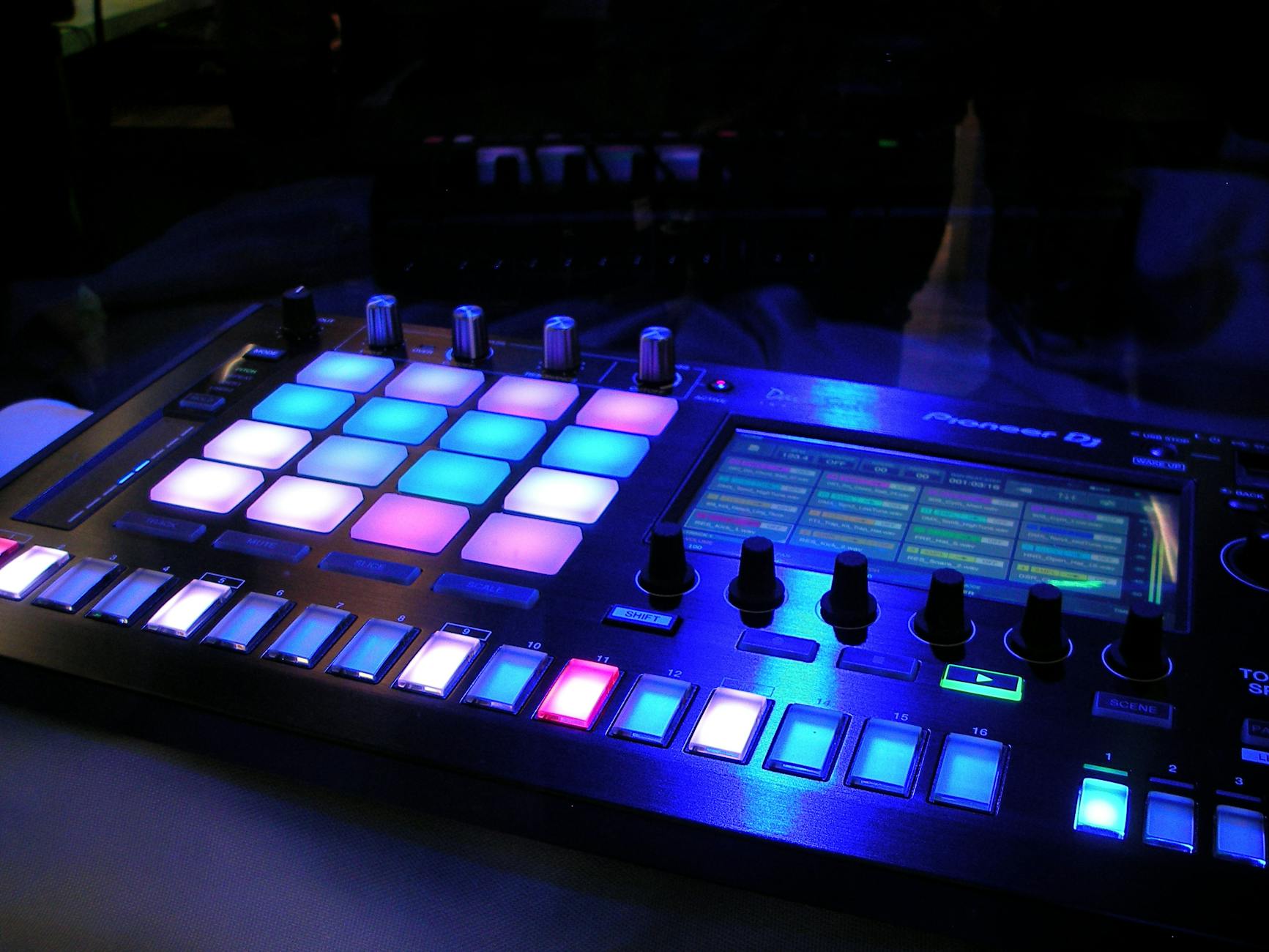
When it comes to creating an effective and enriching learning environment, audio tools play an integral role, especially in settings involving music and therapy. As someone passionate about inspiring students through music, I've discovered how essential devices like loudspeakers and high-quality guitars and basses can be. These tools ensure clarity and depth, transforming a simple lesson into an immersive experience. The crisp sound from quality equipment often parallels the educational workshops at South Bank—seamlessly blending education with engagement.
For those in music education or therapy, the right audio tools offer several advantages:
- Enhanced Learning: High-quality audio helps students better understand and appreciate the nuances of music.
- Sensory Support: For children with sensory processing disorders, controlled sound environments can improve focus and reduce anxiety.
- Inclusivity and Accessibility: Pairing loudspeakers with technologies like induction loops ensures that students with hearing impairments aren’t left out.
Investing in reliable equipment doesn't merely support curriculum delivery; it nurtures an inclusive setting where every student thrives. By integrating robust technology, I can focus on what truly matters—engaging and inspiring through the universal language of music. As these tools become part of your teaching arsenal, they harmoniously blend the traditional with the innovative, much like the creative energy of Brisbane’s Roma Street Parkland.
Integrating Audio Tools in Therapy
Techniques for Effective Use
In my practice, I find that using an induction loop system can be transformative for students with hearing impairments. These systems enhance sound clarity for hearing aid users, making musical sessions more inclusive. As you might experience during a visit to the Queensland Children's Hospital, such technology can create an acoustically supportive environment, allowing students to engage fully with the music. Implementing these systems requires attention to sound quality and minimising interference, which can be achieved by strategically placing microphones and ensuring equipment compatibility with hearing aids.
Tailoring to Individual Clients
While I aim to accommodate different needs, integrating a universal remote into my setup offers flexibility in managing multiple devices. This tool allows quick adjustments to audio settings, meeting the diverse preferences of each student. For instance, a student might respond better to higher-pitched sounds, requiring immediate sound adjustments. A universal remote streamlines these changes, ensuring a smooth session flow. Tailoring lessons in this manner encourages students to express themselves, fostering both their musical and personal development.
Balancing Traditional and New Methods
Bridging traditional methods with modern technology requires thoughtful planning. Whether conducting outdoor therapy at Brisbane's Roma Street Parkland or hosting workshops at South Bank, blending the old with the new enriches therapy experiences. Utilising familiar instruments alongside digital enhancements like induction loops helps students connect with both the music and technology. This approach not only maintains the essence of traditional methods but also broadens their accessibility, allowing each student to find their unique voice.
Australian Resources and Considerations
Available Programs and Support
As a creative professional in Brisbane, tapping into local resources can significantly enhance your therapy and educational initiatives. Whether you conduct sessions near the Queensland Children's Hospital or organise educational workshops at South Bank, there's a wealth of support available. Engage with community programs aimed at therapy integration and seek partnerships with local health centres for more comprehensive support. If you're utilising audio tools like monitors for video conferencing, consider attending workshops or roadshows held in Brisbane that often focus on the effective use of technology in therapy settings.
Navigating Legal Considerations
Understanding the legal landscape is crucial when using recording or broadcasting devices, especially in educational and therapeutic settings in Australia. Familiarise yourself with the regulations surrounding privacy and consent. For example, when setting up a recording microphone, ensure legal compliance by obtaining necessary permissions from participants. Keeping up-to-date with the latest privacy laws will help maintain the integrity of your sessions and reassure those involved about the security and confidentiality of their information.
Finding Professional Guidance
Having professional guidance can facilitate the integration of technology in your educational practices. Connect with experts at educational and music technology conferences or seminars around Brisbane. Participating in professional development workshops provides insights into the newest innovations and effective strategies. Resources and mentorship from industry professionals can offer valuable perspectives as you refine your approach, making technology a seamless part of therapy and education.
Enhancing Student Engagement
Innovative Classroom Strategies
Creating vibrant learning environments starts with integrating home entertainment systems that support diverse learning needs. For instance, incorporating universal remotes simplifies tech management, allowing seamless control over various devices. In music classrooms, students can experience interactive lessons, where tools like recording devices and induction loops cater to both traditional and interactive learning. This dynamic use of audio tools helps engage students effectively, capturing their imagination and fostering a love for music.
Incorporating Music Therapy in Lessons
Music therapy can profoundly benefit students, particularly those with sensory processing difficulties. Using tailored broadcast solutions, teachers can introduce soothing sounds and rhythms to enhance focus and concentration. Educators might consider pairing rhythmic tasks with visuals or kinesics for a multi-sensory experience. Regular sessions that combine music therapy principles with regular curriculum work can bridge gaps in sensory needs, providing students with tailored learning pathways.
Building an Inclusive Environment
Constructing an inclusive classroom involves curating an environment that respects and celebrates diverse student needs. By investing in adaptable technologies, educators can ensure all students feel engaged and motivated. For example, implementing sensory-friendly music workshops, akin to those found at locations like Brisbane's Queensland Children's Hospital, can offer valuable insights into inclusive practices. Ultimately, using these strategies fosters a nurturing atmosphere where every student can thrive musically and academically.
Best Practices
Proper Care and Maintenance of Audio Equipment
Taking good care of your audio tools ensures their longevity and effectiveness in therapy. Regularly clean devices to prevent dust accumulation, and always check cables for wear to avoid unexpected disruptions. Store them in a dry, secure place when not in use. It's also wise to familiarise yourself with bluetooth earbuds best buy options, as these can offer wireless convenience in sessions, especially during activities in Brisbane's Roma Street Parkland. Technological support from local suppliers can be invaluable, ensuring your tools stay operational and ready for engaging therapy sessions.
Commitment to Continuous Professional Development
Staying updated with the latest in audio-therapy technology is crucial. Attend workshops at South Bank or participate in online courses that focus on incorporating audio techniques in therapy, such as those offered by Queensland Children's Hospital. By continually enhancing your skills, you can offer more personalised support to your clients, meeting their unique needs. Sharing experiences with peers can also provide new insights and techniques, fostering a community of learning and innovation in Brisbane’s healthcare field.
Sidestepping Usual Mistakes
Even seasoned professionals can encounter pitfalls. Avoid overwhelming your clients with too much audio stimuli; instead, strive for a balance, integrating sessions with traditional methods. It's crucial to monitor the volume levels, ensuring they are comfortable and not distressing. Consider using baby monitor reviews to stay informed about effective tools that track sound levels, ensuring a soothing environment. By being mindful of these aspects, you create a more effective and empathetic therapy experience, inspiring not just your clients, but also yourself to explore new audio therapy possibilities.